
Convenient Vehicle Care
Mobile Ceramic Coating in Dunedin
Tell us where your vehicle is located and request a discussion about mobile coating.
Mobile ceramic coating can be a convenient option for vehicle owners who prefer to arrange work at an appropriate location rather than travel to another premises. We bring the required equipment and carries out the agreed service where suitable conditions are available.
Mobile does not mean preparation can be skipped. Ceramic coating still requires thorough cleaning, surface inspection and careful application. We need to assess whether the proposed location provides adequate shelter, cleanliness, lighting and working space.
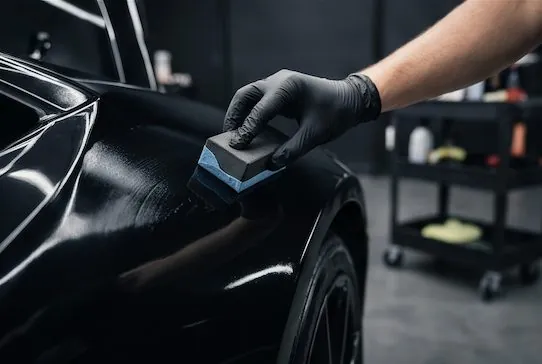
A successful mobile job depends on the vehicle, the location and the conditions available on the day.
A clean, sheltered and reasonably level area helps us prepare and apply the product. The site needs enough room to move safely around the vehicle.
Rain, wind, dust and temperature can influence coating application. We should confirm whether the location and forecast are appropriate.
Mobile work still requires washing, decontamination and paint inspection. Additional correction may affect the time and working arrangements.
Discuss access, water, power and any other practical requirements with us before the appointment.
The vehicle may need to remain protected and undisturbed after application. Make sure there is a suitable place to leave it during the initial curing period.
You can include your proposed work location so we can discuss whether mobile service is practical.
We can explain what must be available before arriving and what needs to happen after application.
The service can be considered for different vehicle types and paint conditions.
You discuss the estimate, appointment and practical requirements directly with us.
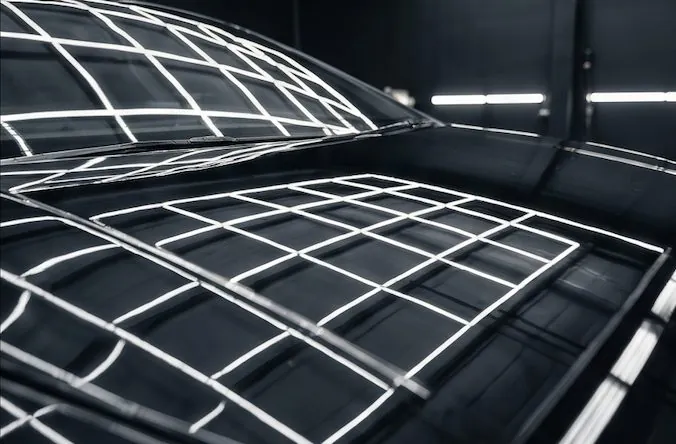
Dunedin is a hard city for mobile work in some places and an easy one in others. A flat garage in Mosgiel or South Dunedin is a very different working area from a steep driveway in Roslyn or Mornington, or a carport on the Otago Peninsula that catches wind off the harbour.
Coating needs a clean, dry panel and stable conditions while it bonds. Wind can carry dust and grit onto freshly prepared paint, and a cold or damp day can slow curing. That is why we will usually ask about shelter before agreeing to a mobile booking, and why some jobs are moved indoors or rescheduled when the forecast turns. Checking the MetService Dunedin forecast for the week of your booking is a sensible step.
Think about where the wash water will go too. Water and cleaning products that run off a driveway into a street drain enter the stormwater network, which generally discharges to streams, the harbour or the coast without treatment. The Otago Regional Council and the Dunedin City Council both publish guidance on keeping contaminants out of stormwater. Ask us how we manage runoff at your address.
A sloping driveway can make it harder to work safely around the vehicle and to keep water off the paint. Mention the slope in your request.
Salt air and wind are common near St Clair, St Kilda, Port Chalmers and the peninsula. A closed garage gives the best result.
Tell us about your vehicle and proposed location to start a mobile ceramic coating request.
Free, no obligation
Provide the vehicle details and explain the coating service you are looking for.
Tell us where the vehicle would be available for mobile work and describe the available space.
We contact you to discuss suitability, preparation and the estimate.
If you accept the proposal, you arrange the appointment and location requirements directly.

It depends on the driveway and working conditions. We need to consider shelter, cleanliness, available space and weather before confirming whether the location is suitable.
Rain can make preparation and application unsuitable. We will need to confirm appropriate conditions and may recommend a sheltered alternative or a different appointment.
Not automatically. Paint correction is a separate preparation requirement that should be discussed and included in the agreed scope if needed.
Follow our instructions about parking, access and the working area. Make sure the vehicle can remain in a suitable location after application if curing requirements call for it.